Psychosocial Support & Counseling
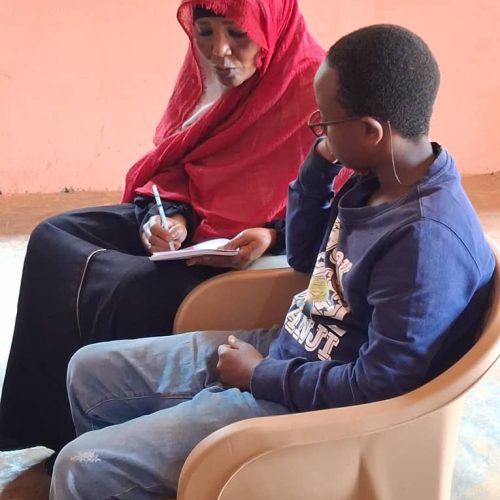
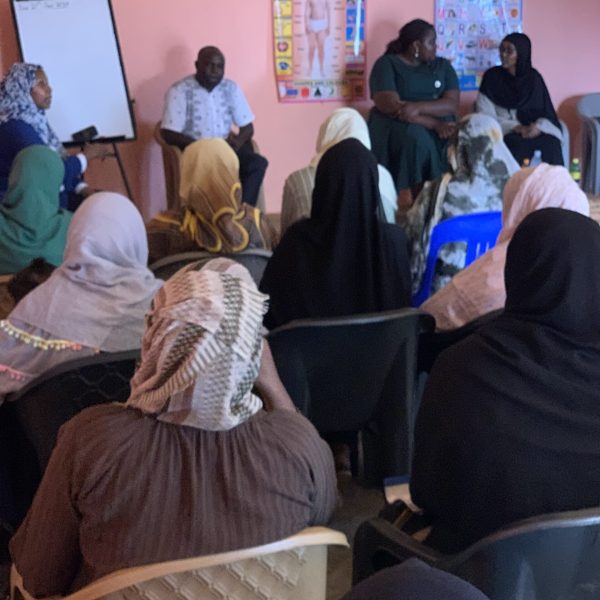
At our center, survivors of violence receive one-on-one counseling and group support to help them heal,
Sexual violence is a crime under international law. The UN & International Criminal Court say it is never allowed, even in war.
3. Peacebuilding & Reconciliation
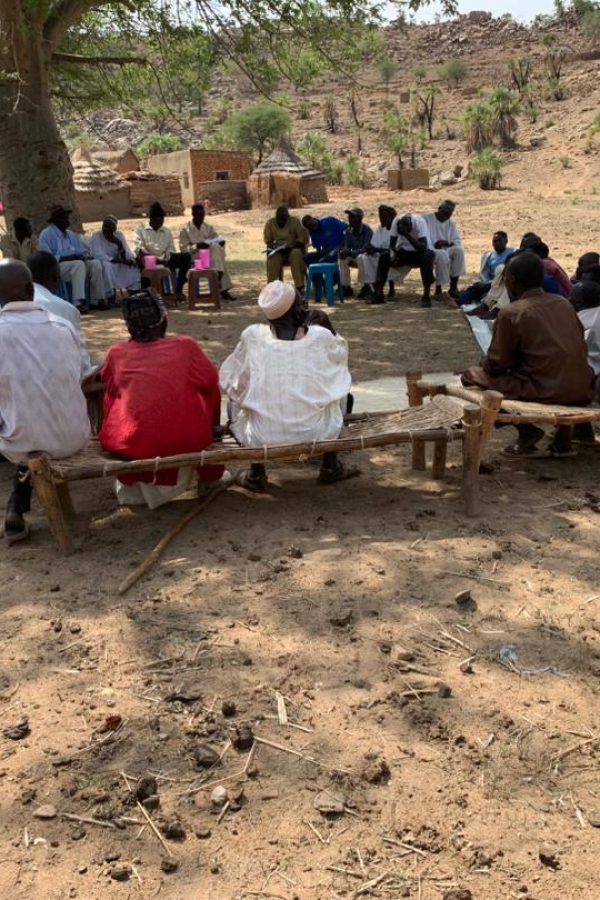
The war and ethnic violence in Sudan have caused deep mistrust between neighbors, families, and communities. Guns are everywhere, and marginalized communities are often targeted by stronger groups. Even people affiliated with the RSF or government no longer trust each other because of the pain and losses the war has caused. Our Peacebuilding & Reconciliation program brings people together to talk, forgive, and rebuild trust. We help communities understand that the war in Sudan is not caused by families, women, or children—it is the result of government conflict. Communities are victims, not enemies, and there is no reason to hate one another
The Geneva Conventions state that civilians must not be targeted, harmed, or forced from their homes, and their property must be protected. We work to uphold these rights and call on the world to ensure communities in Sudan are safe and respected.
2. Gender Equality & Women’s Empowerment
Women in Sudan are among the most marginalized. They are often not allowed to take part in decisions, speak up for their rights, or have their voices respected. Many girls are forced into marriage, and women face discrimination, violence, and heavy responsibilities because of a war they did not choose. They lose husbands, children, and family members, and are left to survive under very difficult conditions.
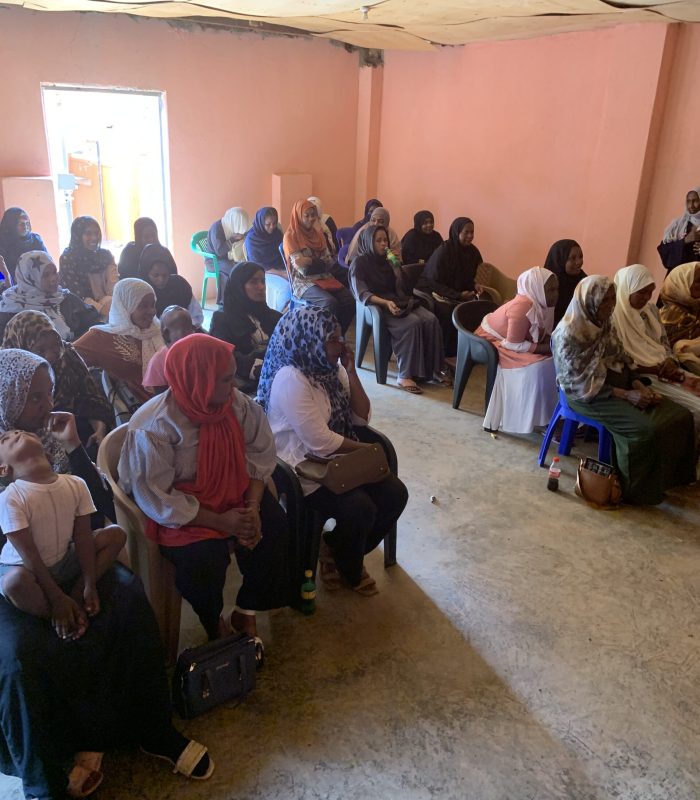
We support women by providing livelihood training and creating awareness about their rights. We help them access economic opportunities, take part in community decisions, and have a voice in society.
The UN Convention on the Elimination of All Forms of Discrimination Against Women (CEDAW) says women have the right to gender equality, safety, and full participation in society. So why are women in Sudan being forgotten? They face violence, discrimination, forced marriage, and exclusion.
4. Human Rights & justice
Many displaced and marginalized people in Sudan face violence, discrimination and loss without any protection.
We work with human rights partners to document abuses, raise awareness, and influence policies that protect vulnerable groups and promote justice.
The Geneva Conventions protect civilians from violence, forced displacement, and attacks, and the Universal Declaration of Human Rights affirms the right to life, security, and protection under the law. Through our advocacy, we call on the world to uphold these rights and hold perpetrators accountable.
5. Child Friendly Space
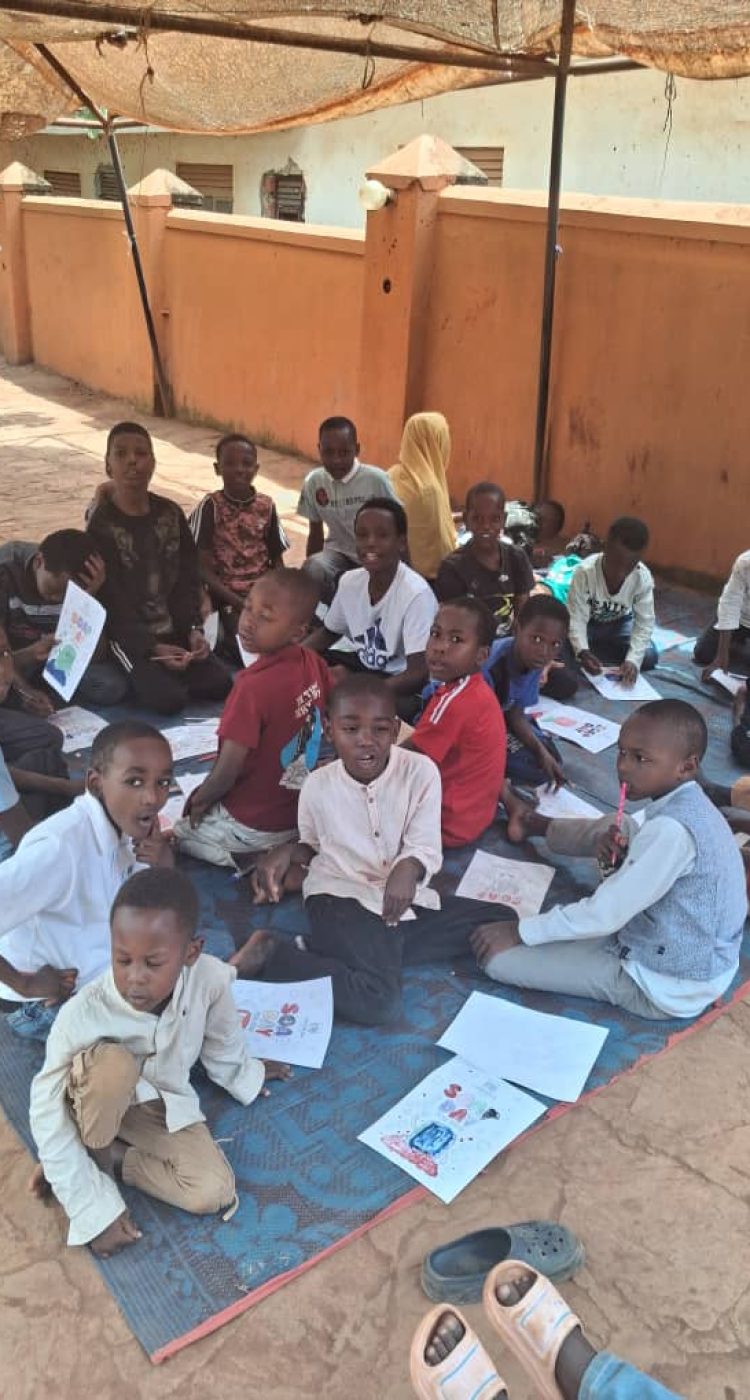
The war in Sudan has left thousands of children orphaned or separated from their parents and siblings. Many live with trauma, fear, and uncertainty about the future. At our Child Friendly Space in Seeta Mukono, we provide a safe and supportive environment where children can heal and regain a sense of normalcy.
Our program offers one-on-one counseling, group therapy, recreational activities, and educational support to help children process their experiences, build confidence, and feel safe again. We focus on their emotional, social, and psychological well-being, ensuring that every child has the opportunity to grow.
The UN Convention on the Rights of the Child (CRC) states that every child has the right to protection and safety where they can grow up in love and safety. Children affected by war have the right to protection, psychological support and education.
Through our Child Friendly Space, we uphold these rights and advocate for the protection and well-being of all children affected by conflict.
FAQ
1. What is Trauma Rescue Aid (TRAID)?
TRAID is a refugee-led grassroots organization that supports survivors of war, violence, and displacement in Sudan. We focus on trauma healing, peacebuilding, women’s empowerment, and human rights advocacy
2. Where does TRAID work?
We operate mainly in Sudan and refugee-hosting communities in neighboring countries. Our programs are run by trained local counselors, community volunteers, and survivor advocates who understand the realities on the ground.
3. Who does TRAID support?
We work with survivors of violence, displaced families, and refugees especially women and girls who have experienced trauma, loss, or human rights violations.
4. What kind of programs do you offer?
Our main programs include:
Psychosocial Support & Healing – trauma counseling, peer support, and mental health recovery
Livelihoods & Women’s Empowerment – skills training, small business support, and self-reliance projects
Education & Literacy – English and literacy classes for displaced women and youth
Human Rights & Peacebuilding – documentation, advocacy, and youth-led dialogue for peace
5. How can I support TRAID’s work?
There are many ways to help:
Make a donation to support our programs
Join as a volunteer or professional mentor
Partner with us for projects or advocacy campaigns
Share our stories and raise awareness in your community
6. Is TRAID a registered organization?
Yes. TRAID is a registered refugee-led nonprofit organization that operates transparently with community accountability and donor compliance standards.
7. How are donations used?
Every contribution goes directly into our field programs — from counseling sessions and livelihood training to education materials and medical referrals. We believe in responsible, transparent spending, and we share updates with our supporters regularly.
8. Can I visit your programs or meet the team?
We love when partners and supporters visit though access may depend on safety and logistics in our program areas. Please reach out through our contact page to discuss possibilities.
A Title to Turn the Visitor Into a Lead
This is your chance to emphasize why the visitor should contact you right now.